Sites Leveled for Reliable Drainage and Foundations
Excavation & Grading in Pelzer for Properties Requiring Soil Removal, Leveling, and Drainage Correction
Upstate topography creates grading challenges on properties where slopes, clay soil, and seasonal rainfall combine to produce standing water, erosion, and uneven building pads. Excavation and grading services from PSI Tree and Clearing address site preparation for construction, drainage correction, and land development across Pelzer and the Anderson-Greenville County border. When properties require soil removal, leveling, or compaction before building or landscaping, grading establishes the foundation that supports everything placed on top.
Excavation involves removing soil to create level building pads, drainage swales, or access routes, while grading shapes the remaining surface to direct water away from structures and prevent pooling. In Anderson County, where clay-heavy soil compacts poorly and rural properties often lack established drainage, grading integrates with land clearing and site prep workflows to prepare parcels for homes, outbuildings, or commercial development. The process includes soil compaction to stabilize surfaces that will bear weight from structures or vehicles.
Schedule a site assessment to evaluate existing grade, soil type, and drainage patterns before excavation begins.
How Grading Solves Drainage and Foundation Problems
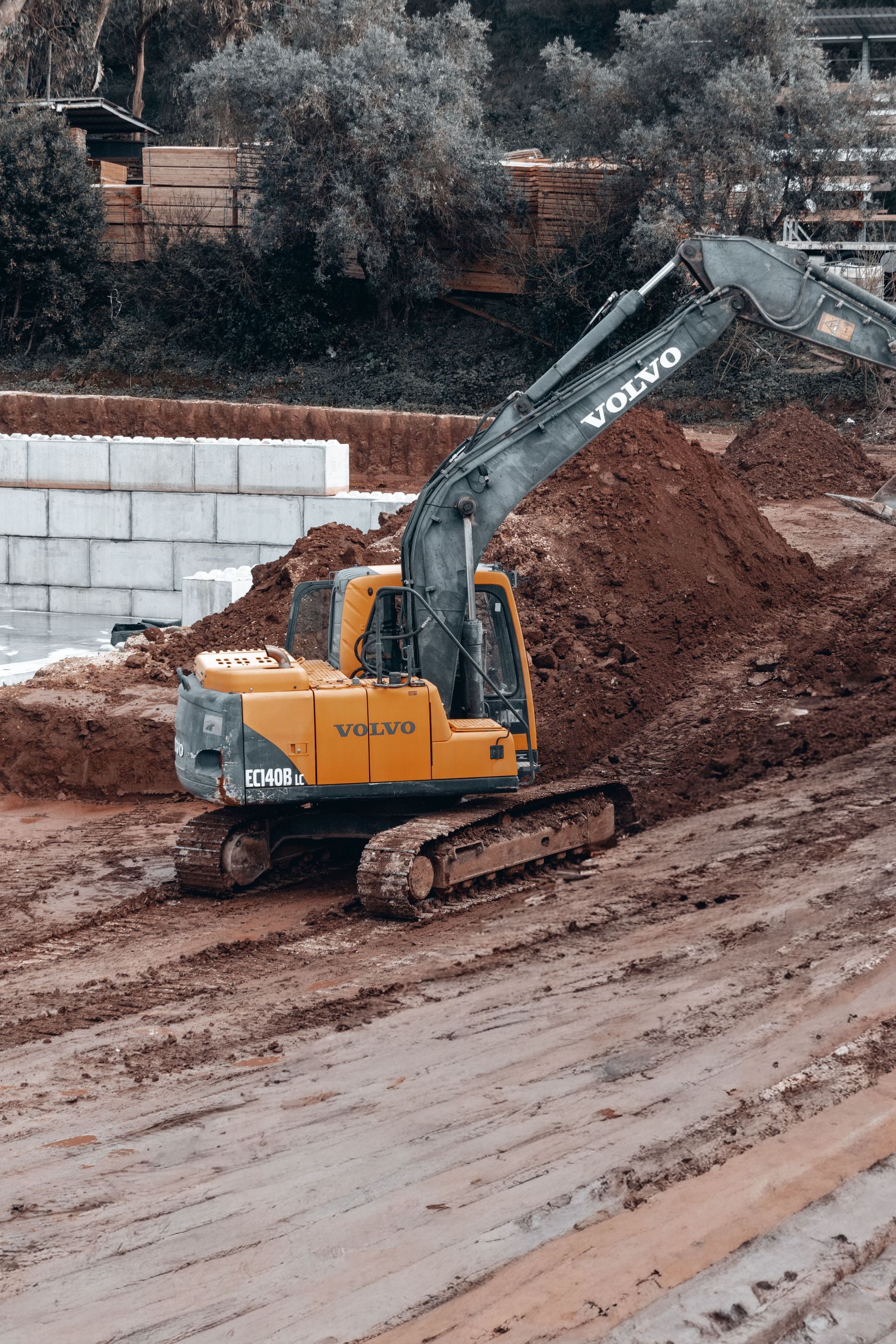
Proper grading moves water away from foundations, prevents erosion on slopes, and creates stable surfaces for construction equipment and permanent structures. Equipment removes high spots, fills low areas, and compacts soil to specifications that support building loads without settling. For properties near Belton or Clemson where development meets rural terrain, grading transforms uneven acreage into usable building sites with controlled water flow.
Once grading is complete, you see level pads where buildings will sit, drainage channels that direct runoff toward appropriate outlets, and compacted access routes that handle equipment without rutting. Water no longer pools near structures or flows toward areas where it causes erosion, and foundations rest on soil that has been tested for proper compaction. These changes prevent the settling, cracking, and moisture intrusion that follow construction on unprepared ground.
PSI Tree and Clearing integrates excavation and grading with forestry mulching, demolition, and site prep services, using equipment rental partnerships for larger projects that require extended machine time. Grading specifications depend on intended use, with residential building pads requiring different compaction standards than agricultural access roads or commercial parking areas. Soil conditions also influence the approach, as clay requires more compaction effort than sandy loam to achieve stable bearing capacity.
What to Know Before Excavation and Grading
Excavation and grading projects depend on soil type, slope, and drainage goals, so understanding the variables helps property owners plan for site development and foundation work.
What determines how much soil needs to be removed or added?
Existing grade, target elevations, and drainage requirements dictate cut and fill volumes. Properties with steep slopes require more excavation to create level pads, while flat sites may need fill to raise grades above flood-prone elevations.
How does soil type affect grading timelines in Pelzer?
Clay-heavy Upstate soil compacts slowly and requires moisture control during grading to prevent clumping or excessive stickiness. Grading proceeds faster in dry conditions when soil moves cleanly and compacts uniformly.
What happens if drainage is not addressed during grading?
Improper drainage causes water to pool near foundations, erode slopes, or wash out access routes. Grading must include swales, berms, or subsurface drainage to direct runoff away from structures and toward natural or engineered outlets.
When should excavation be scheduled relative to other site work?
Grading typically follows land clearing and precedes foundation work, allowing cleared ground to be shaped before construction equipment arrives. Coordinating excavation with demolition or tree removal reduces equipment mobilization costs.
What factors influence excavation and grading costs?
Soil volume, equipment access, disposal requirements, and compaction standards all affect pricing. Projects requiring exported soil or imported fill add hauling costs, while remote sites with limited access increase equipment transport time.
PSI Tree and Clearing manages excavation and grading across Anderson and Greenville counties, with equipment and workflow integration that adjusts to residential and commercial project scopes. Contact PSI Tree and Clearing at (864) 363-1348 to review site conditions, drainage challenges, and grading specifications for your property.